Tundraco's Daily Living Guide to Emergency Preparedness Fact Sheet: Wildland Fires |
|
The threat of wildland fires for people living near wildland areas or using recreational facilities in wilderness areas is real. Advance planning and knowing how to protect buildings in these areas can lessen the devastation of a wildland fire.
BEFORE
Learn and teach safe fire practices.
Obtain local building codes and weed abatement ordinances for structures built near wooded areas.
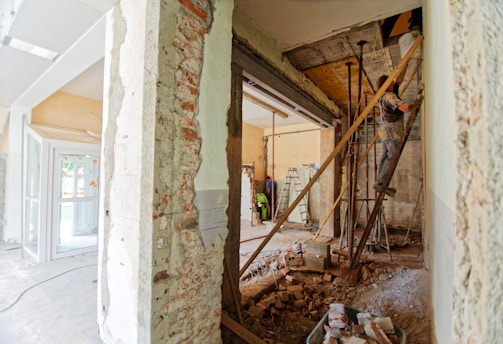
Use fire-resistant materials when building, renovating, or retrofitting structures.
Create a safety zone to separate the home from combustible plants and vegetation.
Check for fire hazards around home.
Install smoke detectors on every level of your home and near sleeping areas.
Make evacuation plans from home and from neighborhood.
Plan several routes in case the fire blocks escape route.
Have disaster supplies on hand
Develop an emergency communication plan.
In case family members are separated from one another during a wildland
fire (a real possibility during the day when adults are at work and children
are at school), have a plan for getting back together.
Ask an out-of-state relative or friend to serve as the "family contact." After a disaster, it's often easier to call long distance. Make sure everyone knows the name, address, and phone number of the contact person.
Fire-Resistant Building Materials
Avoid using wooden shakes and shingles for a roof. Use tile, stucco, metal siding, brick, concrete block, rock, or other fire-resistant materials. Use only thick, tempered safety glass in large windows and sliding glass doors.
Contact your local emergency management office or American Red Cross chapter for more information on wildland fires.
DURING
Turn on a battery-operated radio to get the latest emergency information.
Remove combustible items from around the house.
Take down flammable drapes and curtains and close all venetian blinds or noncombustible window coverings.
Take action to protect your home.
Be ready to evacuate all family members and pets when fire nears or when instructed to do so by local officials.
AFTER
Take care when re-entering a burned wildland area. Hot spots can flare
up without warning. Check the roof immediately and extinguish any sparks
or embers. Check the attic for hidden burning sparks. For several hours
afterward, re-check for smoke and sparks throughout the home. If trapped
in a Wildland Fire
You cannot outrun a fire. Crouch in a pond or river. Cover head and upper
body with wet clothing. If water is not around, look for shelter in a
cleared area or among a bed of rocks. Lie flat and cover body with wet
clothing or soil.
Breathe the air close to the ground through a wet cloth to avoid scorching lungs or inhaling smoke.
MITIGATION
Mitigation includes any activities that prevent an emergency, reduce the chance of an emergency happening, or lessen the damaging effects of unavoidable emergencies. Investing in preventive mitigation steps now such as installing a spark arrestor on your chimney, cleaning roof surfaces and gutters regularly, and using only fire resistant materials on the exterior of your home, will help reduce the impact of wildland fires in the future. For more information on mitigation, contact your local emergency management office.
Always consult your doctor for medical advice.
|