|
Tundraco's Daily Living Guide to Health
Scented Candles and Lead Poisoning
|
Scented Candles and Lead Poisoning
By Rochelle Caviness
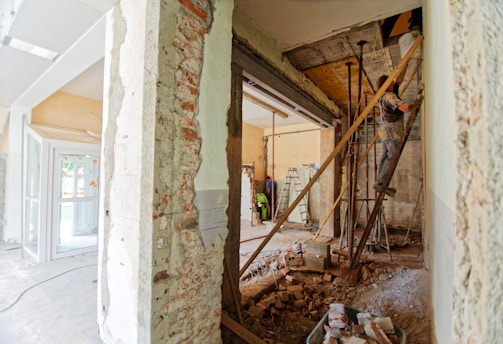
Lead is a common environmental contaminant, one that is often found inside the home. One of the main sources of lead contamination in the home is the presence of lead based paints, and it is still one of the leading causes of lead poisoning in children.
- According to the Consumer Product Safety Commission, 1 out of every 11 children in the U.S. has unsafe levels of lead in their blood.
Lead and Consumer Products
Lead is used in many products and in many industrial settings. Sources of lead contamination are varied and can include lead-based paint, soil contaminated by the exhaust of cars that used leaded gasoline, lead solders, and the backings on some mirrors. Many contemporary consumer products also contain lead. Products that may contain lead include ceramics (cups and plates), leaded crystal, pool cue chalk, hair dyes, cigarettes, candy wrappers, and candles with metal wicks.
- Lead can get into the body by being ingested (eaten), it can be inhaled, and it can be absorbed through the skin. Fetuses can also absorb lead through the placenta from their mothers.
- The National Safety Council maintains a list of Lead Poisoning Alerts, warning consumers of products known to contain lead.
Scented Candles and Lead
While massive efforts have been taken to make homes as lead free as possible, many people are unintentionally introducing lead back into their own homes – by burning scented candles with metal wicks.
Current research indicates that scented candles that have metal wicks, or that are in metal containers, can release unhealthy levels of lead when they are burned. Lead levels can rise very quickly and you and your family members can easily absorb enough lead to suffer from lead poisoning.
- Metal wicked scented candles are made the world over including the U.S., China, and Mexico.
- In a University of Michigan School of Public Health study, researcher Jerome Nriagu found that of the scented candles studied, those manufactured in the U.S. and China released the highest levels of lead.
- Even if these candles are burned in a well-ventilated area, there is still the risk of lead poisoning. This is because lead is very heavy and it will settle, like dust, on all the solid surfaces of your home. When the lead dust is disturbed, you can breathe in lead particles.
- Long lasting candles tend to have metal wicks. The metal is added in order to make the wicks burn slower.
- As the metal is heated, lead is released into the air. It is believed that some scented candles in metal containers may heat up enough to release lead vapors from the container.
- Metal wicks may not be obvious upon visual inspection. Most metal wicks consist of a metal core with a flammable outer layer. You need to scrape away the outer layer of the wick to see if the core is metal. If it is, do not burn it. Another sign that the wick has metal in it is if you see tiny drops of metal in or around the wick after burning the candle.
- According to CHOICE, The Australian Consumer's Association, if you discover that you have been burning a candle with a metal wick you should seek medical attention. As a rule of thumb, they suggest that you may have released unsafe levels of lead into your home if you burned the candle for more than one hour a day, or for more than five hours, total.
Lead Poisoning
Lead is an extremely toxic heavy metal. When absorbed into the body it migrates to the bones, and it can take a long time to be excreted from the body. As levels of lead increase in the body, lead will begin to accumulate in the body's tissue as well as in the bones.
- Lead poisoning can lead to neurological, reproductive and kidney damage. Much of the damage done to the body by lead poisoning is irreversible.
- It can cause anemia and it can impair the mental development of children.
- Lead poisoning causes behavioral changes.
- Lead poisoning can lead to miscarriages, preterm labor, and birth defects.
- Severe lead poisoning can lead to a variety of complications including mental retardation, blindness, paralysis and death.
- A blood test is used to determine the amount of lead in your body.
- The NSW Environmental Protection Agency has an online chart that illustrates the How Lead Effects Health.